

Best Time to Visit Bali: Weather, Crowds and Activities
The best time to visit Bali depends on your preferred weather, activities, budget, and tolerance for crowds. In general, April to October is the dry season, while November to March is the rainy season.
For a balance of drier conditions and fewer peak-season crowds, April, May, June, and September are practical options. However, the rainy season can still work well for flexible travelers who prefer greener scenery, cultural activities, and fewer visitors.
Best Time to Visit Bali at a Glance
| Travel priority | Recommended period | What to consider |
|---|---|---|
| Best overall balance | April–June and September | Drier conditions without the busiest peak |
| Fewer crowds | Rainy season outside holiday periods | More chance of rain and humidity |
| Family travel | April–June or September | Easier for outdoor plans and private day trips |
| Beaches | May–September | Generally drier and sunnier |
| Hiking | Dry-season months | Trails are generally less wet and muddy |
| Snorkeling and diving | Dry season | Visibility and sea conditions may be more suitable |
| Lower-season travel | November–March | Avoid the year-end holiday spike if seeking quieter travel |
| Surfing | Depends on coast and skill level | Conditions vary between locations |
Bali’s official tourism information describes April to October as the general dry season and November to March as the wet season. However, these are climate patterns rather than guarantees for individual days.

Understanding Bali’s Two Main Seasons
Bali Dry Season
The Bali dry season generally runs from April to October. These months usually bring lower rainfall and are often more suitable for beach trips, hiking, snorkeling, diving, and outdoor sightseeing.
However, the dry season also overlaps with the busier travel period. July and August are especially popular, so accommodation, activities, and major destinations may feel more crowded.
Travelers who want drier conditions without the busiest atmosphere can consider the shoulder months. April, May, June, and September often provide a more balanced option.
Bali Rainy Season
The Bali rainy season generally runs from November to March. Conditions are usually more humid, and heavy showers can occur in the morning or afternoon.
However, rain does not always continue throughout the entire day. Skies may clear for several hours after a downpour, although longer periods of rain are still possible.
The rainy season may suit travelers who:
- Prefer fewer visitors
- Have a flexible itinerary
- Enjoy cooking classes or cultural visits
- Do not mind changing plans
- Want to see greener rice fields and vegetation
Nevertheless, heavy rain may affect hiking trails, water visibility, road travel, and selected outdoor activities. Always check the latest conditions before booking time-sensitive experiences.
Bali Weather by Month
The following Bali weather by month guide describes typical seasonal patterns rather than a daily forecast. Conditions can vary between years, coastal areas, and higher elevation destinations.
January
January falls within the rainy season. Expect humid conditions and a higher chance of showers, so keep outdoor plans flexible.
The first part of the month may still feel busy due to the year-end holiday period.
February
February remains within the wet season. It may suit travelers who prefer fewer crowds and do not mind planning indoor or cultural alternatives.
For outdoor activities, avoid building an itinerary that depends entirely on clear skies.
March
March is usually near the end of the rainy season. Rain is still possible, although conditions may begin shifting as the dry season approaches.
Because the seasonal transition varies each year, check forecasts close to your travel date.
April
April generally marks the beginning of the dry season. It can offer a useful balance for travelers who want improving conditions before the busiest months.
However, occasional rain is still possible during the transition.
May
May is often a practical month for beaches, sightseeing, and outdoor plans. It sits within the dry season and usually falls outside the busiest July–August period.
June
June generally offers dry-season conditions and is suitable for day tours, beaches, hiking, and island activities.
Visitor numbers may begin increasing as the main holiday period approaches.
July
July is one of the busiest travel months. It is popular for outdoor activities because it falls within the dry season.
Book important activities and accommodation earlier if traveling during this period.
August
August remains part of the dry and busy season. Beaches, viewpoints, and popular attractions may receive more visitors.
Therefore, start early and avoid placing too many distant destinations into one day.
September
September is still within the dry season and often appeals to travelers who want outdoor-friendly conditions after the busiest July–August period.
It can be a strong choice for couples, families, private tours, and flexible day trips.
October
October is generally the final month of the dry season. Outdoor plans may still work well, but rainfall can gradually become more frequent as the season changes.
November
November usually marks the start of the rainy season. Humidity and rainfall tend to increase, so leave space in your itinerary for adjustments.
December
December is within the rainy season, although the festive holiday period can still bring a temporary rise in visitor numbers.
Travelers should expect a mix of busy holiday areas and changeable weather.

When Is Bali Less Crowded?
The best time to visit Bali less crowded is generally during the rainy season, outside major holiday periods. November, February, and March may feel quieter than the peak dry-season months, although conditions differ by area.
April, May, June, and September are useful alternatives if you want a balance between generally drier conditions and fewer visitors than July or August.
Keep in mind that popular destinations can still feel busy at certain times of day. Starting earlier, using private transport, and grouping nearby places can make the day easier.
Best Time to Visit Bali Based on Your Travel Style
Best Time to Visit Bali with Family
The best time to visit Bali with family is often during the drier months, particularly April to June or September. These periods can make it easier to plan beach time, sightseeing, and outdoor activities.
Still, weather is only one part of family travel. Keep the itinerary realistic, choose activities based on the children’s ages, and allow time for meals and rest.
Families can also consider Pandita Bali’s private driver and group transport options to arrange pickup locations, luggage, and stops based on their plans. Pandita Bali currently offers private tours, airport transfers, private drivers, and transport for different group sizes.
Best Time for Beaches, Snorkeling and Diving
May to September is generally suitable for beaches, while lower rainfall during the dry season can support better conditions for snorkeling and diving.
However, underwater visibility and sea conditions can still change by location and day. Check local conditions before departure, especially for boat-based trips.
You can compare relevant Bali activity packages in the packages section before checking availability.
Best Time to Visit Bali for Surfing
The best time to visit Bali for surfing depends on the coast, surf spot, and your skill level.
For example, Indonesia Travel lists May to September as a suitable period for beginner and intermediate surfing at Old Man’s in Batu Bolong. It also notes that mornings often provide more consistent conditions there.
This does not mean every beach follows the same pattern. Beginners should choose a suitable location and seek current local guidance instead of selecting a surf spot based only on the month.
Best Time for Mount Batur and Outdoor Activities
Dry-season months are generally more suitable for hiking and other outdoor plans because trails are less likely to be wet or muddy. Official tourism guidance also notes that heavy rainfall may affect trekking conditions.
For Mount Batur, current rain, wind, trail conditions, and local operational guidance matter more than the season alone.
Before booking, check:
- Current weather
- Trail conditions
- Pickup time
- What is included
- Fitness requirements
- Any operational changes
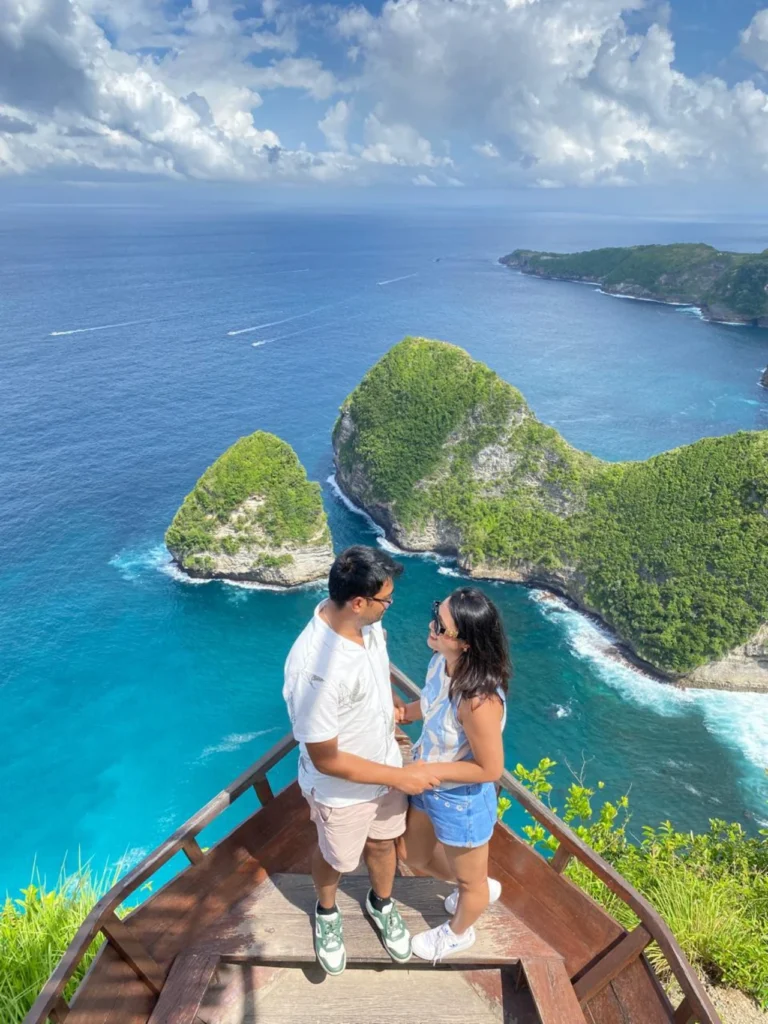
Best Time for Couples and Honeymoon Trips
Couples who prioritize beaches, outdoor dinners, viewpoints, and day trips may prefer the dry season.
Meanwhile, April, May, June, and September can provide a useful balance between drier conditions and a less intense peak-season atmosphere.
Couples who prefer a slower schedule may still enjoy the rainy season. In that case, combine flexible outdoor plans with cooking classes, cultural visits, restaurants, and relaxed accommodation time.
Is February a Good Time to Visit Bali?
Yes, February can be a good time to visit if you understand the trade-offs.
February falls within the rainy season, so expect humidity, showers, and occasional disruption to outdoor plans. However, the island may feel quieter than during the main dry-season peak.
February may suit you if:
- You prefer fewer visitors
- Your schedule is flexible
- You enjoy culture and food
- You are comfortable changing plans
- Your holiday does not depend entirely on beaches or hiking
Use daily forecasts as a planning tool, but remember that they cannot guarantee exact conditions across the whole island.
Is September a Good Time to Visit Bali?
Yes. September is one of the most practical months for many travelers.
It falls within the dry season and comes after the busiest July–August period. Therefore, it can work well for beaches, private day tours, hiking, snorkeling, couples, and family trips.
However, popular locations can still be busy. Plan routes carefully and start early for destinations that require longer travel times.
Is There a Worst Time to Travel to Bali?
There is no universally worst time to travel to Bali. The least suitable month depends on what you want to do.
The rainy season may be less suitable if your entire trip depends on hiking, snorkeling, boat travel, or clear beach days. In contrast, July and August may not suit travelers who dislike crowds or higher peak-season demand.
Instead of avoiding an entire season, match your expectations to the conditions:
- Choose drier months for outdoor-heavy plans
- Choose shoulder months for balance
- Choose the rainy season for flexibility and quieter travel
- Avoid overly packed itineraries in every season
Things to Know Before Choosing Your Travel Dates
Bali has a tropical climate with two broad seasons, but conditions vary by area and elevation. Higher locations may feel cooler than the coast, while rain can affect one part of the island differently from another.
Before deciding when to visit:
- Check the latest BMKG forecast
- Keep outdoor plans flexible
- Group nearby destinations together
- Allow extra travel time
- Confirm boat and activity operations
- Prepare indoor alternatives
- Avoid relying on climate averages as guarantees
BMKG’s Bali climate station publishes monthly rainfall analysis and three-month forecasts based on observations, statistical models, atmospheric dynamics, and local conditions. These reports are more useful for current planning than relying only on a general annual guide.
A Bali airport transfer can also be arranged before arrival, while a custom Bali itinerary can help organize suitable activities around your dates and travel style.
Frequently Asked Questions
What is the best month to visit Bali?
May, June, and September are practical choices for many travelers because they fall within the dry season but outside the busiest July–August period. However, the right month still depends on whether you prioritize beaches, outdoor activities, fewer crowds, or lower-season travel.
Does it rain every day during Bali’s rainy season?
Not necessarily. Heavy showers may occur in the morning or afternoon, followed by clearer periods. However, longer rain can still happen, so visitors should keep outdoor plans flexible rather than assuming every day will follow the same pattern.
Is February a good time to visit Bali?
February can work for travelers who prefer fewer visitors and are comfortable with rain and humidity. It is better suited to flexible trips that include cultural activities, food, and indoor alternatives rather than schedules built entirely around beaches or hiking.
Is September a good time to visit Bali?
Yes. September is within the dry season and follows the busiest July–August period. It is often suitable for outdoor sightseeing, beaches, private tours, family travel, and couples who want a balance between weather and crowd levels.
When is Bali less crowded?
Bali is generally quieter during the rainy season outside the festive period. April, May, June, and September can also provide a useful balance between drier conditions and fewer peak-season visitors.
What is the best time to visit Bali with family?
April to June and September are practical options for many families because outdoor plans are generally easier during the dry season. However, group size, children’s ages, trip pace, and activity choices are just as important as the month.
What is the worst time to travel to Bali?
There is no single worst month. Rainy months may not suit travelers focused on outdoor activities, while July and August may not suit people seeking quieter destinations. Choose the period that best matches your priorities.
Plan Your Bali Trip Around the Season
The best time to visit Bali depends on what matters most to you. Choose the dry season for outdoor-heavy plans, shoulder months for a useful balance, or the rainy season for a flexible trip with fewer visitors.
Pandita Bali Travel Agency can help you check suitable private tours, transport, activities, Mount Batur trips, Nusa Penida day trips, and itinerary options based on your dates.
Plan Your Bali Trip Around Your Travel Dates
Share your travel dates, group size, pickup area, and preferred activities. Pandita Bali can help you check suitable tours, transport, and itinerary options for your plans.